
Port St. Lucie Roof Pros: Roof Replacement, Leak Repair and Approved Roof Assemblies
Roof replacement, leak repair, tile, metal and low-slope work across St. Lucie County, quoted with the approval number for every layer.
- Chapter 489 certified roofing contractor, credential number on every permit we pull
- Florida Product Approval number listed beside every component in the proposal
- Free written inspection with dated photographs indexed slope by slope
- Both prices given together, repair and replace, with the service life each one buys
Our Roofing Services in Port St. Lucie, FL
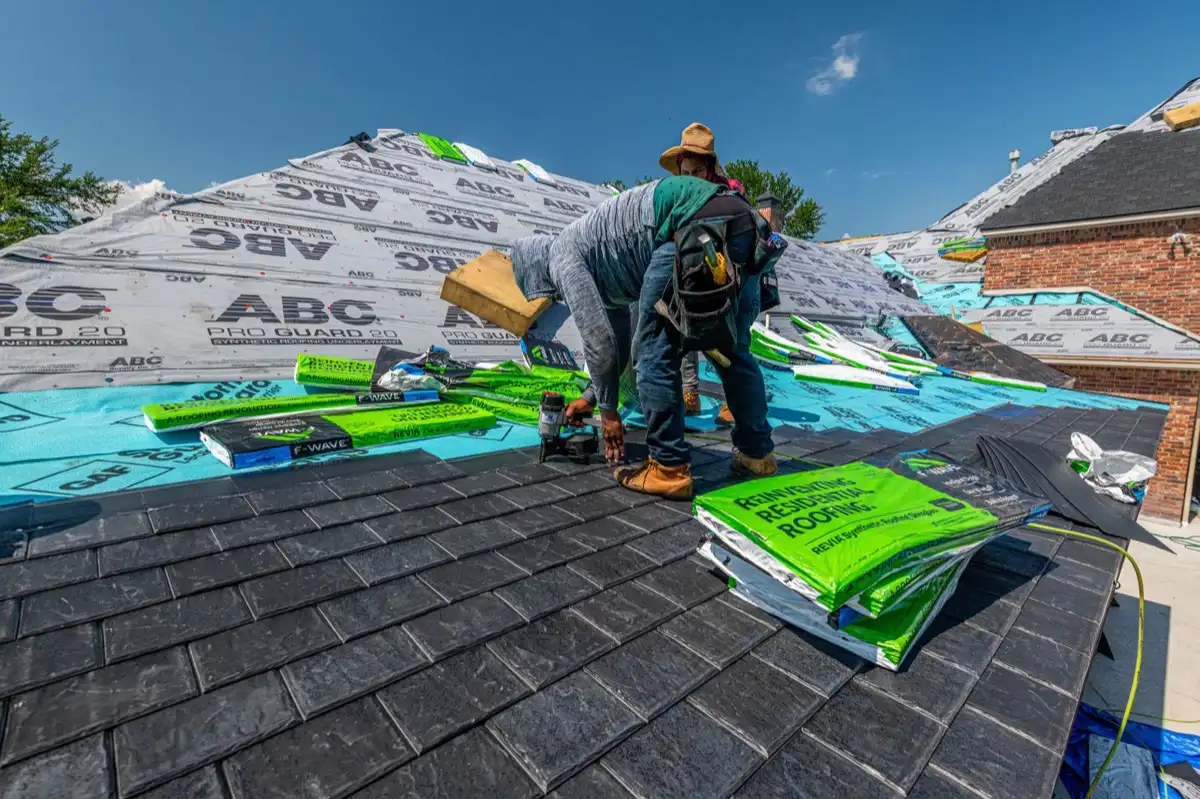
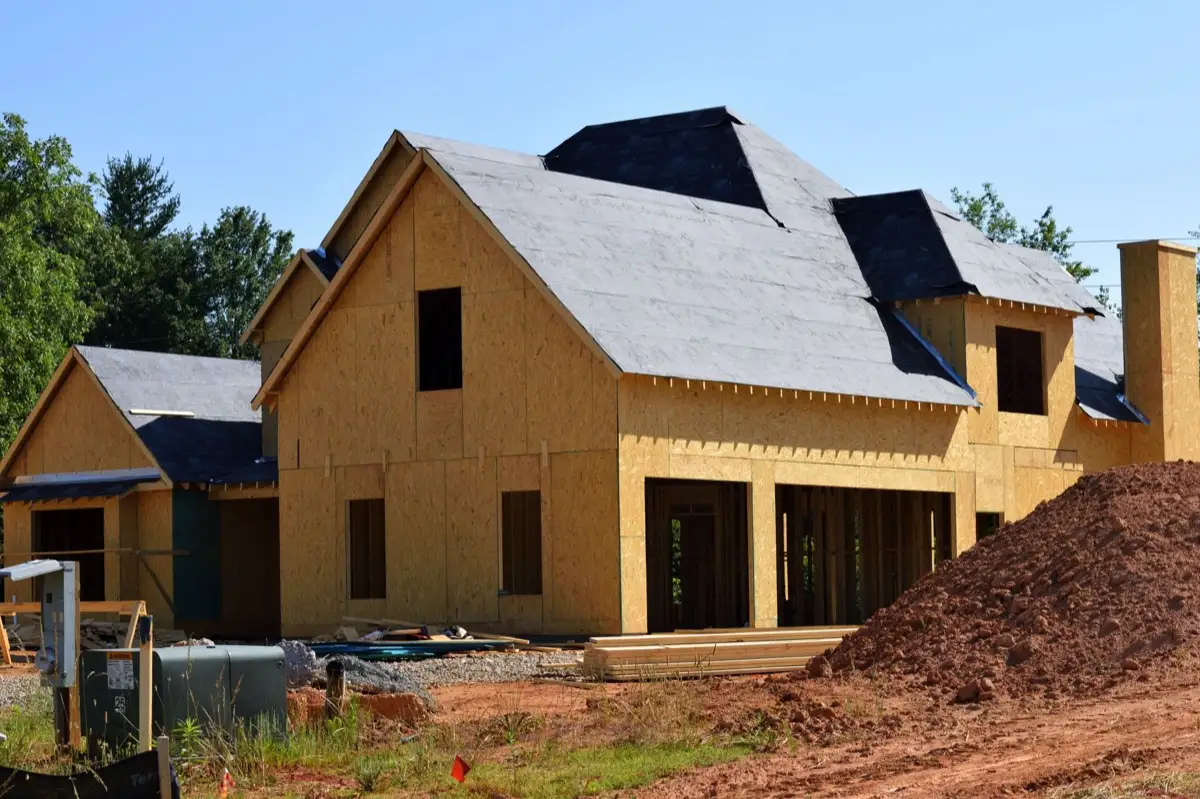
Roof Replacement
A full replacement here is a permitted job, and the permit asks for numbers. Every layer you buy carries a state approval listing behind it, and that listing, not the brochure, is what the building inspector reads when he signs off on your house.
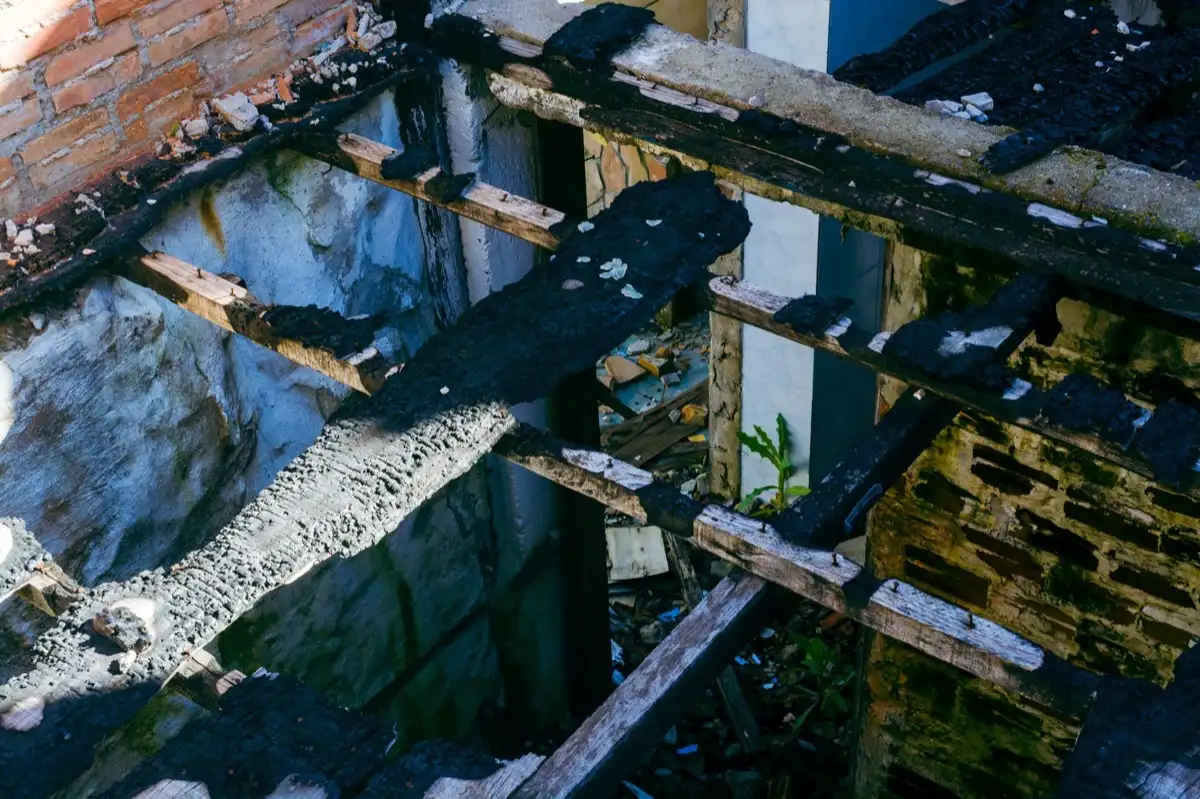
Roof Leak Repair
Most leaks we open in this city are not the field of the roof. They are a boot, a headwall, a valley or a vent, and the field material around them still has years in it.
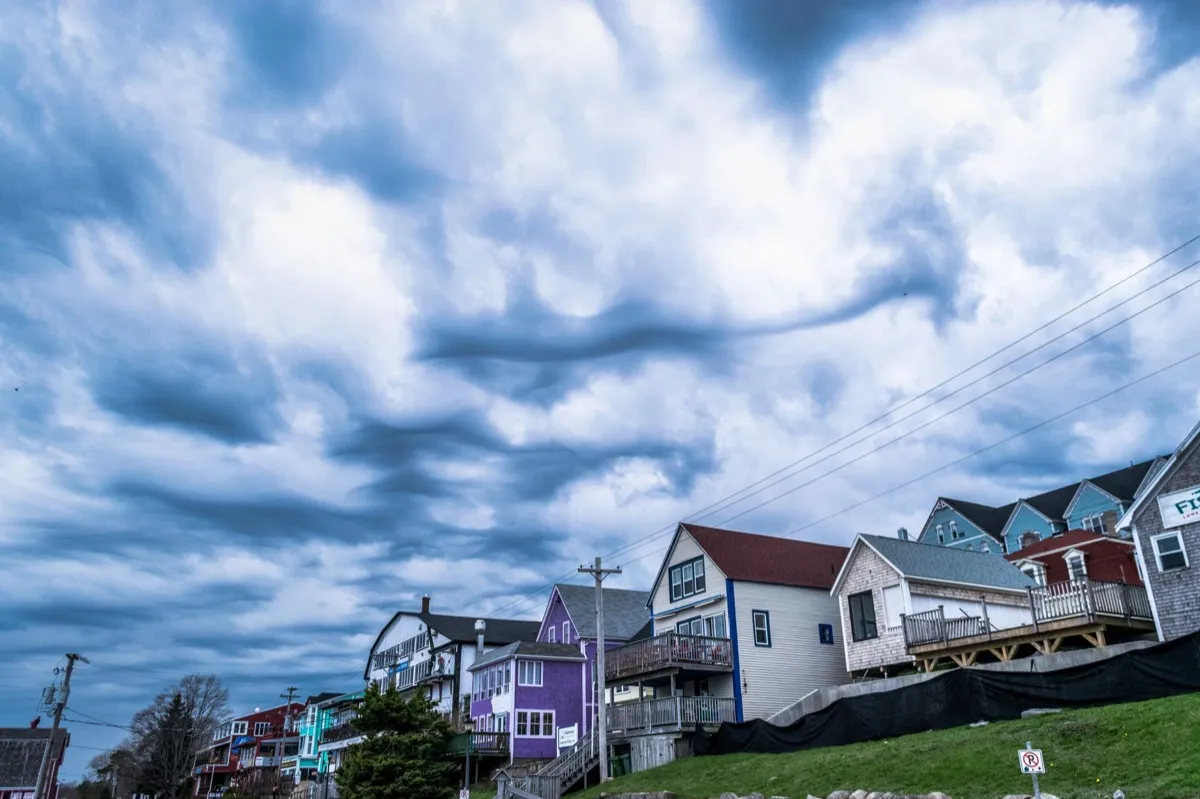
Storm Damage Roof Restoration
After a named storm the useful question is not how bad it looks. It is what was actually on your roof before the wind arrived, because that is the only baseline anyone can argue from later.
Hail Damage Roofing
We will inspect your roof for hail and charge you nothing for it. We will also tell you, more often than not, that what you have is not hail, and that filing on it would be a mistake.
Wind Damage Roofing
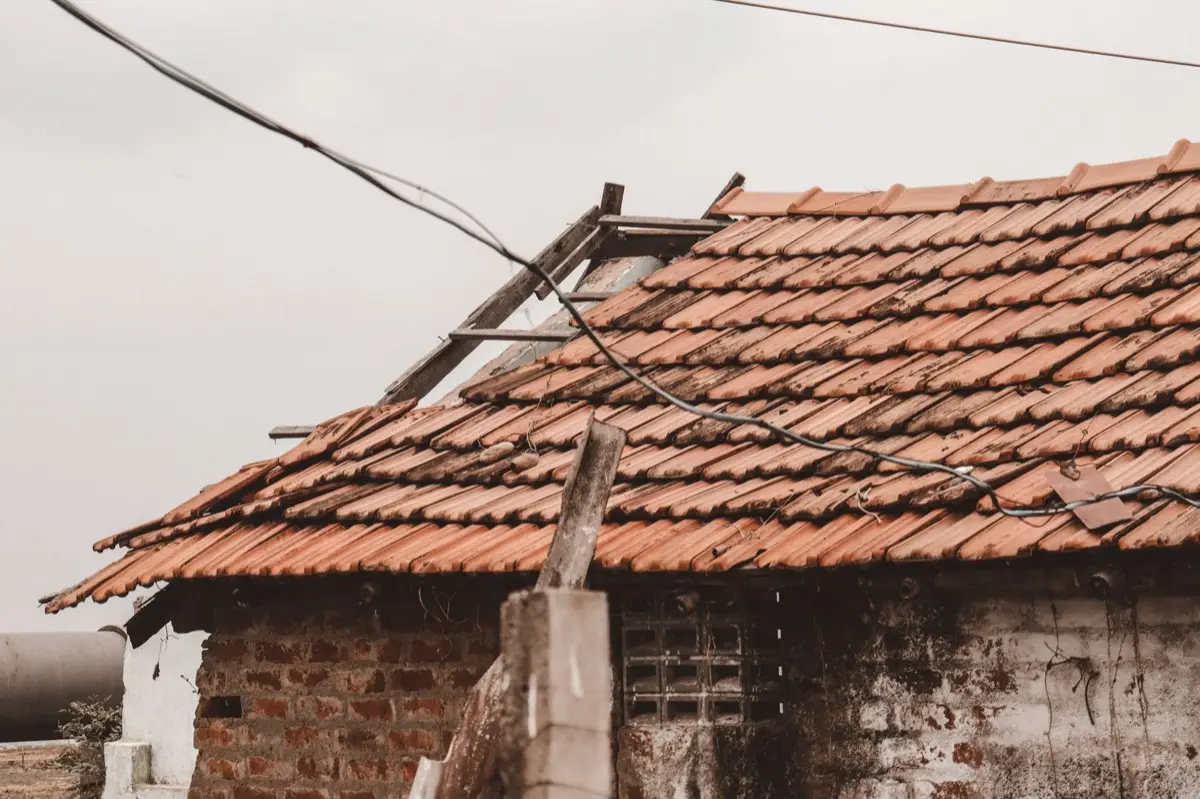
Wind is what actually takes roofs apart in this county, and it takes them apart from the edges inward. Almost every wind failure we open started at a rake, an eave or a corner, and worked its way into the field from there.
Roof Inspections
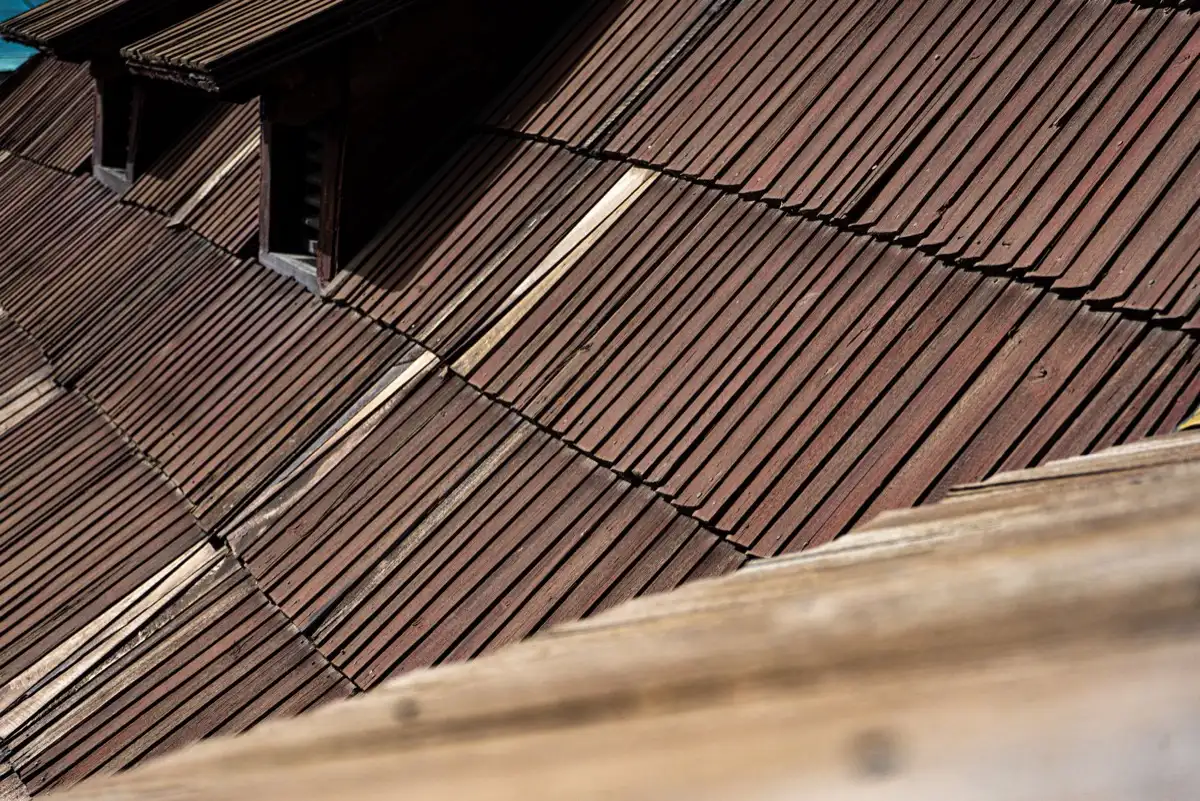
An inspection that only looks at the roof is half an inspection. The other half is the paper: your parcel's permit history and the product approval sheet that went with it, both of which the city holds and neither of which costs anything to read.
Asphalt Shingle Roofs
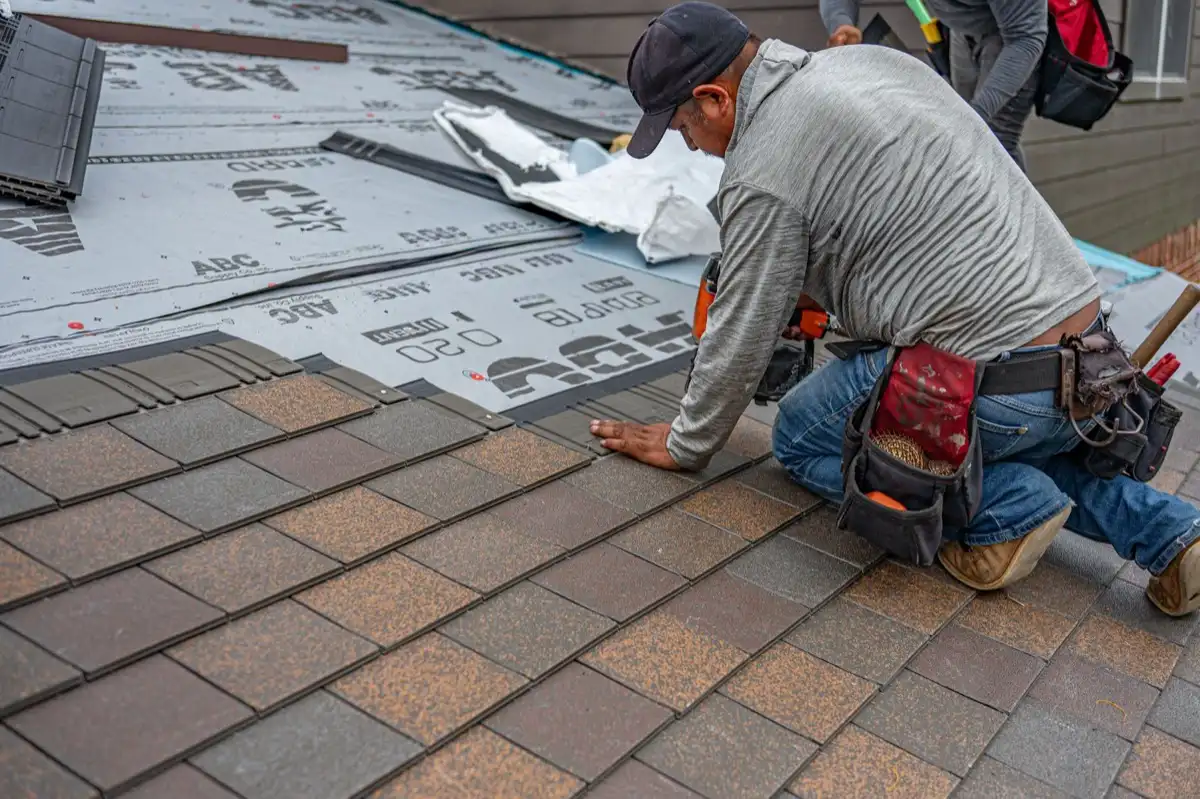
Here is the advice that costs us money. On most Port St.
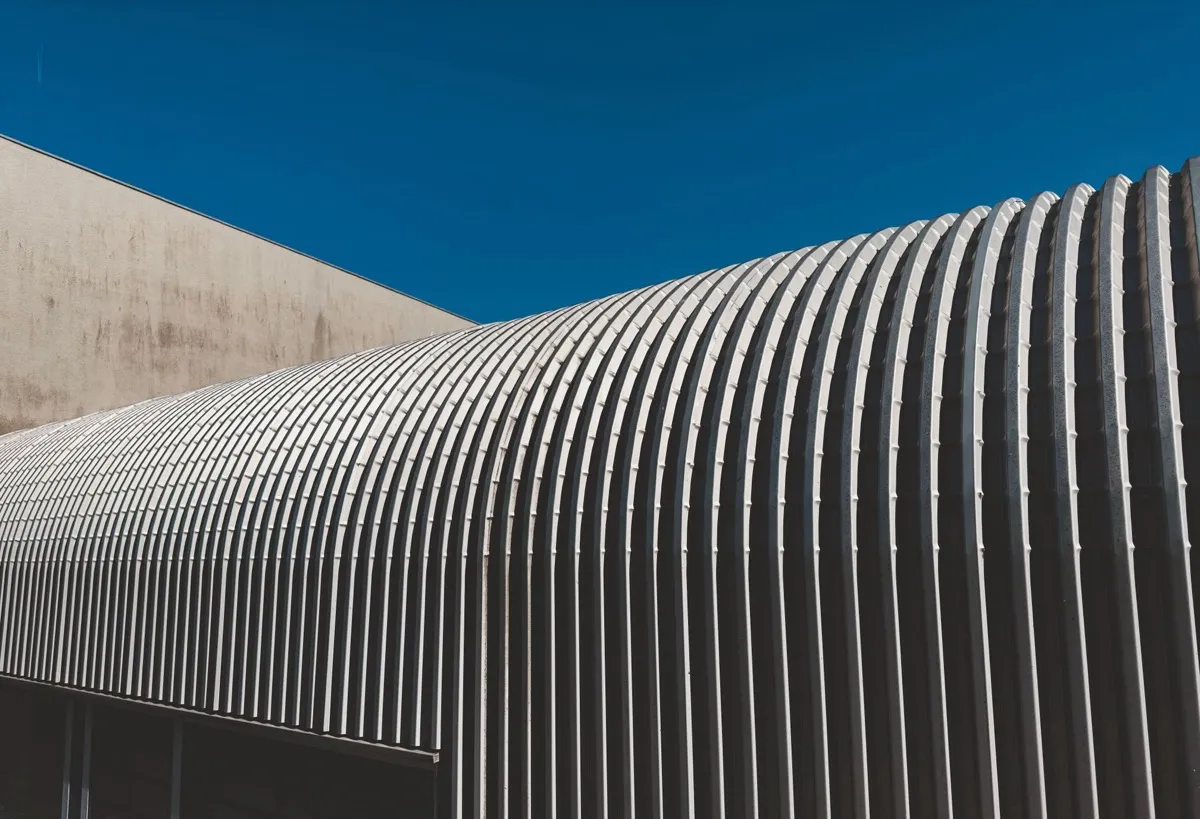
Metal Roofing
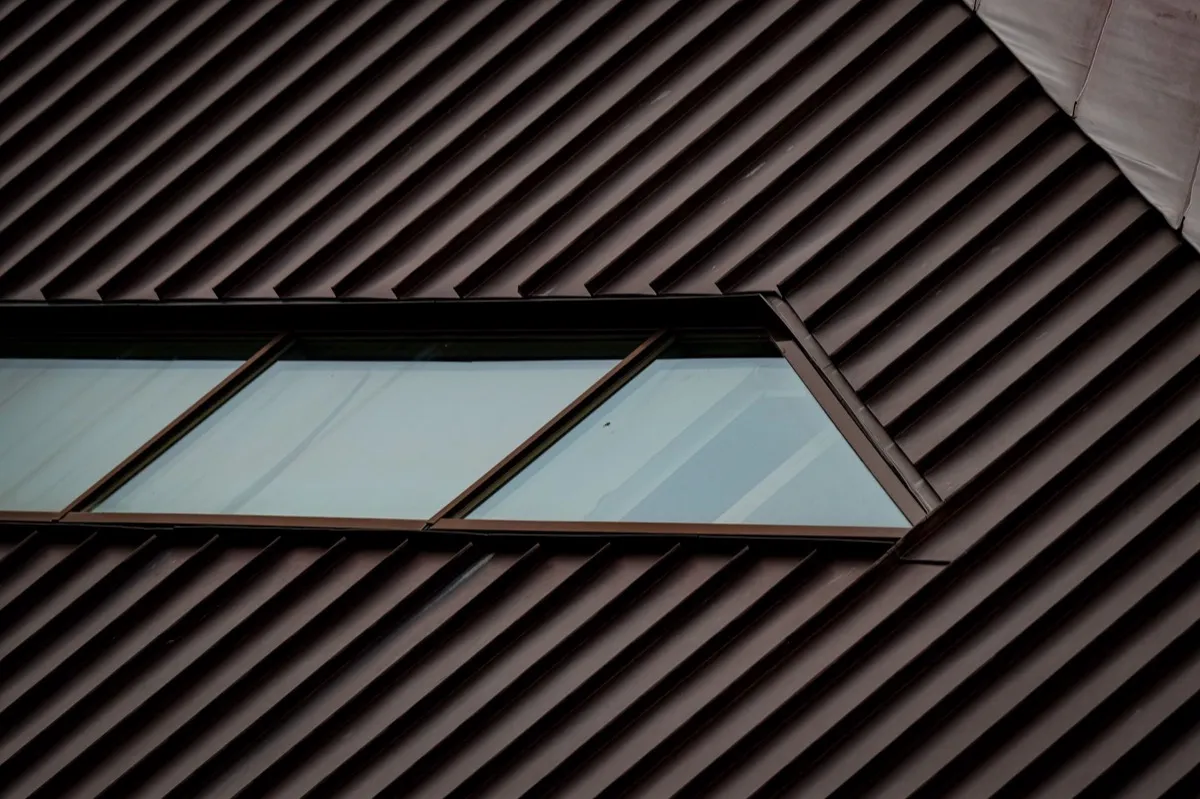
Metal is the only covering whose approvals reach well below the slopes this city was built at, and on a lot of these houses it is still the wrong purchase. Both are true at once, and a good quote tells you which side you are on.
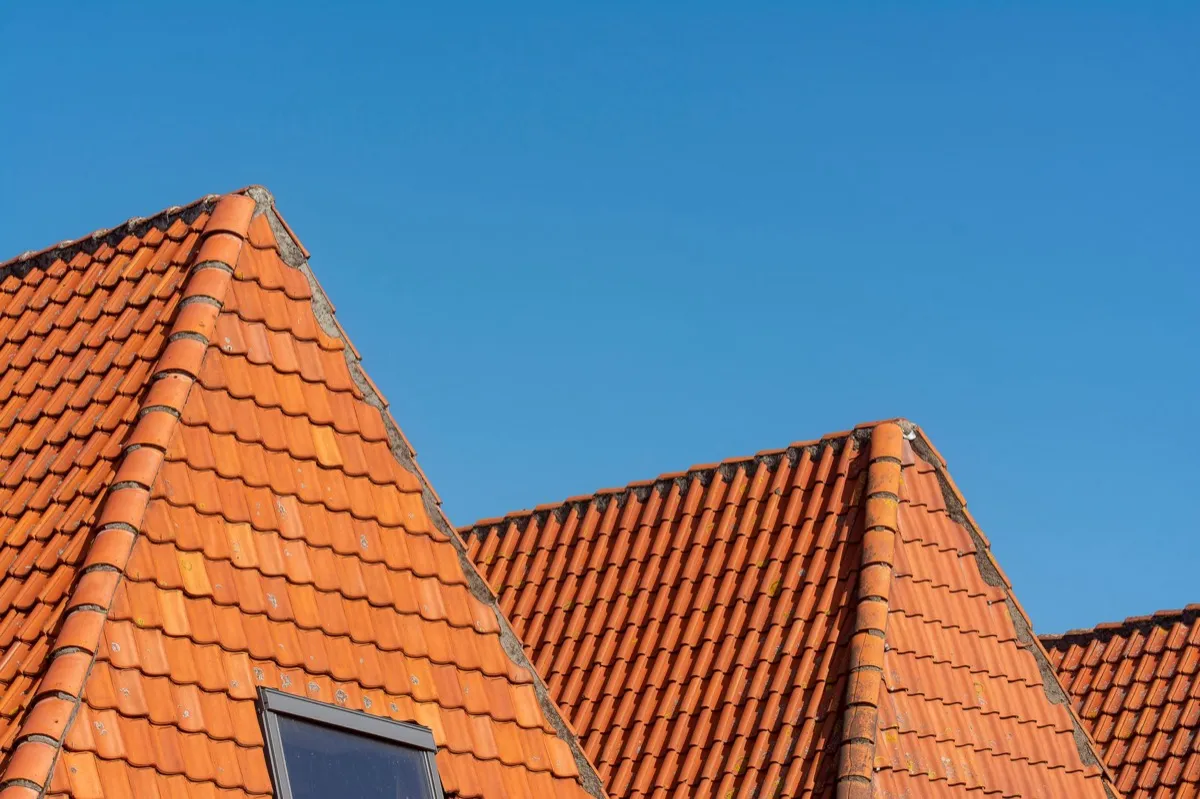
Tile Roofing
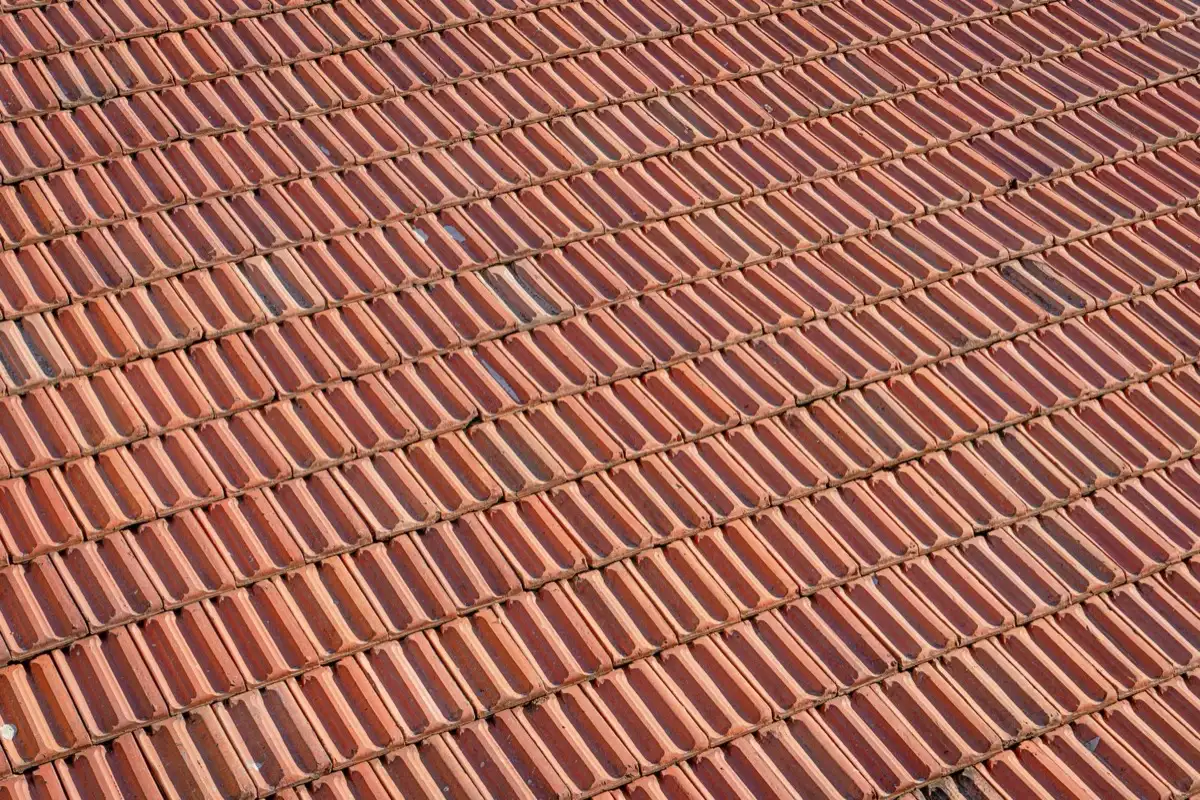
Tile is a long-lived covering sitting on a much shorter-lived roof, and once you understand that, most tile decisions here get easier. The tile is a shell.

Flat & Low-Slope Roofing
Almost no house here has a flat roof. What they have are flat sections: an entry canopy, a rear lanai, a screen room roof or an addition, tied into a pitched field.
Roof Coatings & Sealing
If someone has offered to coat your shingle or tile roof and called it an alternative to replacing it, decline. No coating will do that, no permit will recognize it, and no approval listing covers it as a roof covering.
Roof Ventilation
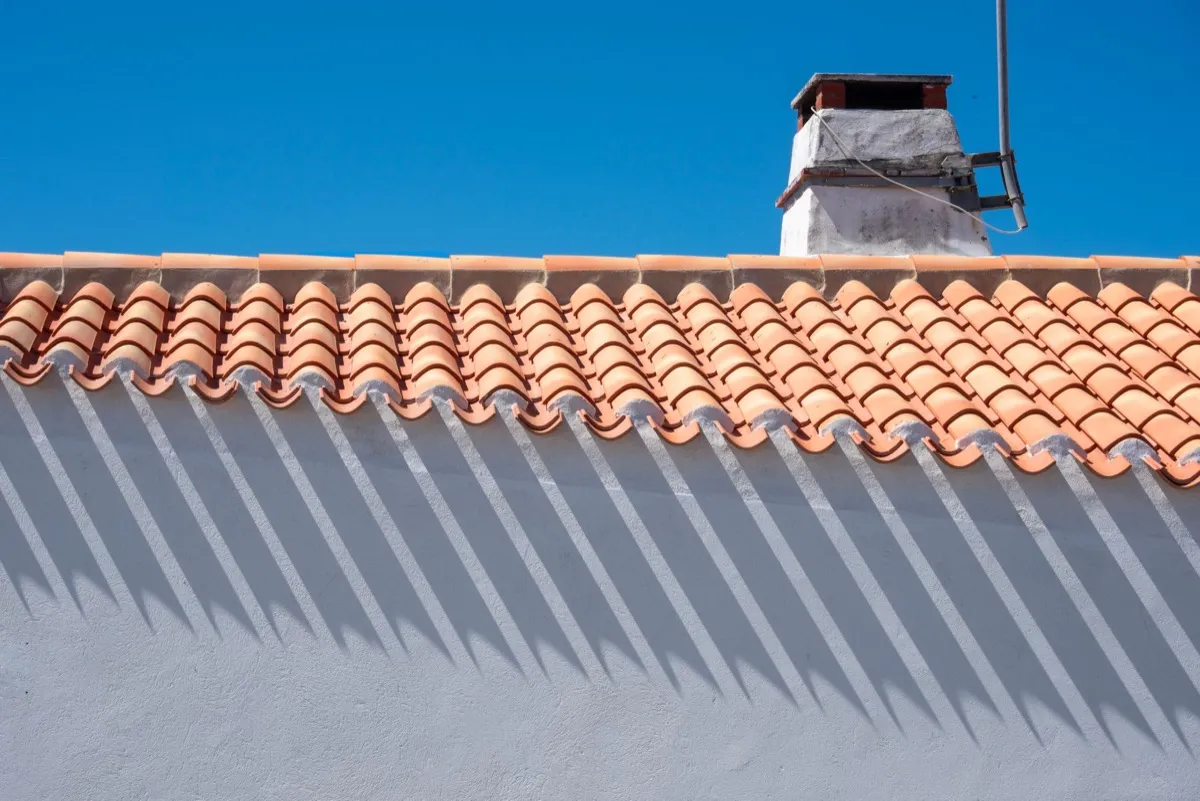
Roof vents are approved products with a design pressure and a wind-driven rain rating, and on this coast that second number is the one that matters. A vent that meets code for airflow and leaks in a tropical squall is a very common thing to have on your roof.
Skylights
Skylights are their own product approval category in Florida, with their own tested design pressure, and in the wind-borne debris region they carry an impact requirement as well. That is worth knowing before anyone talks to you about resealing the one you have.
Fascia & Soffit
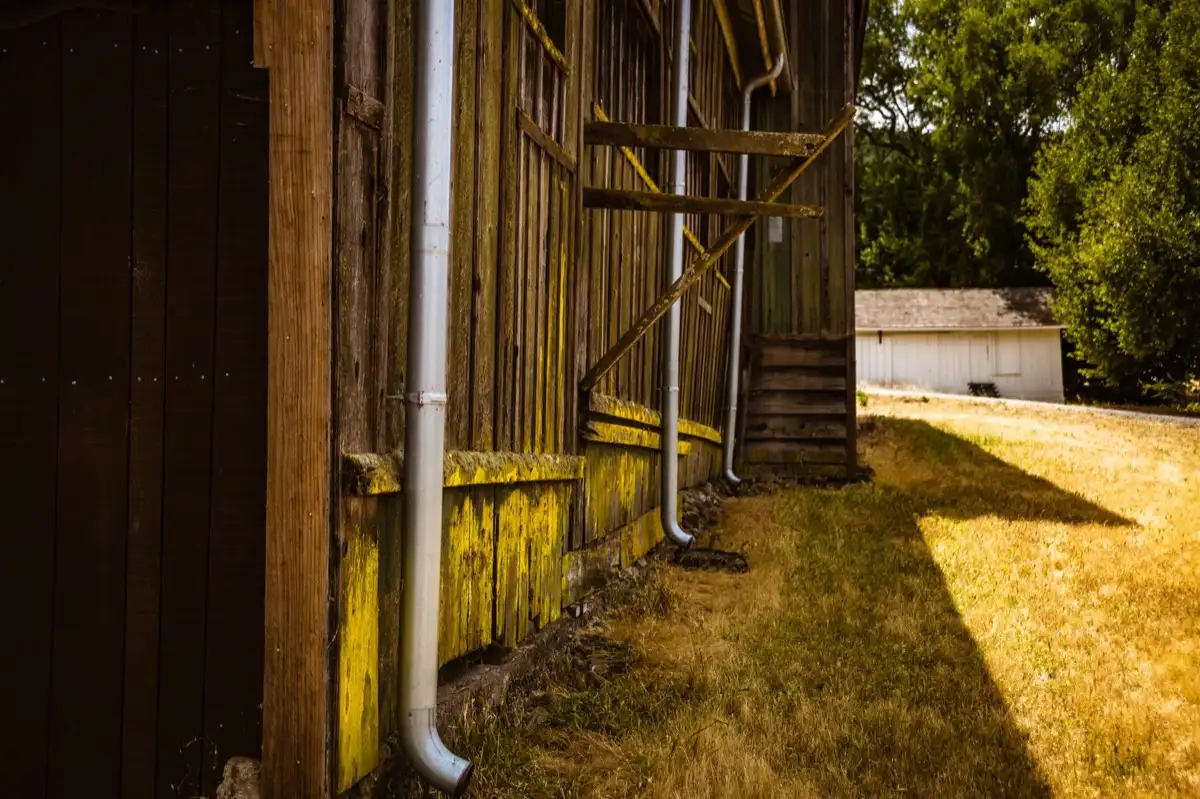
Soffit is not trim. Vented aluminum and vinyl soffit panels are rated products with a tested design pressure, and in a hurricane the soffit is one of the first things to go.
Chimney Flashing
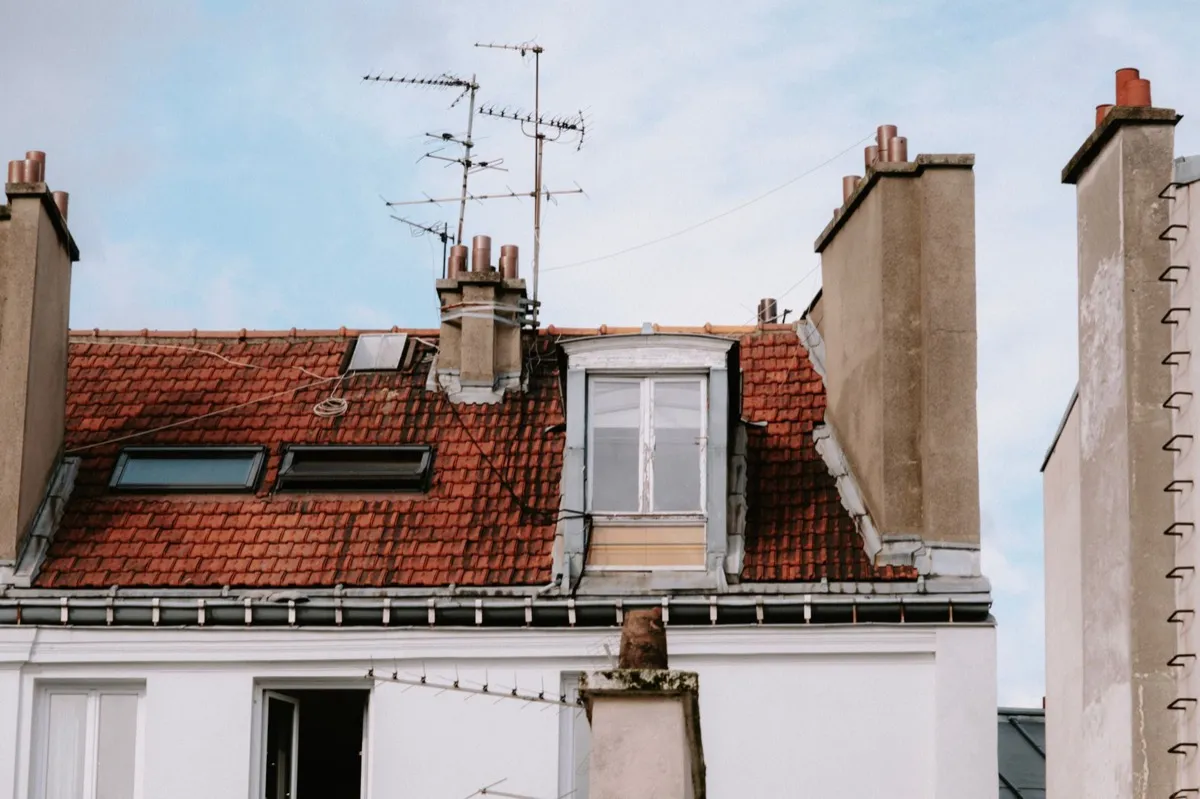
Site-fabricated flashing is exempt from the product approval system, and that is a feature rather than a gap. Metal cut, bent and fastened on site to the code's dimensional requirements is a better answer than any pre-formed part, because it fits your wall rather than an average wall.
Commercial Roofing
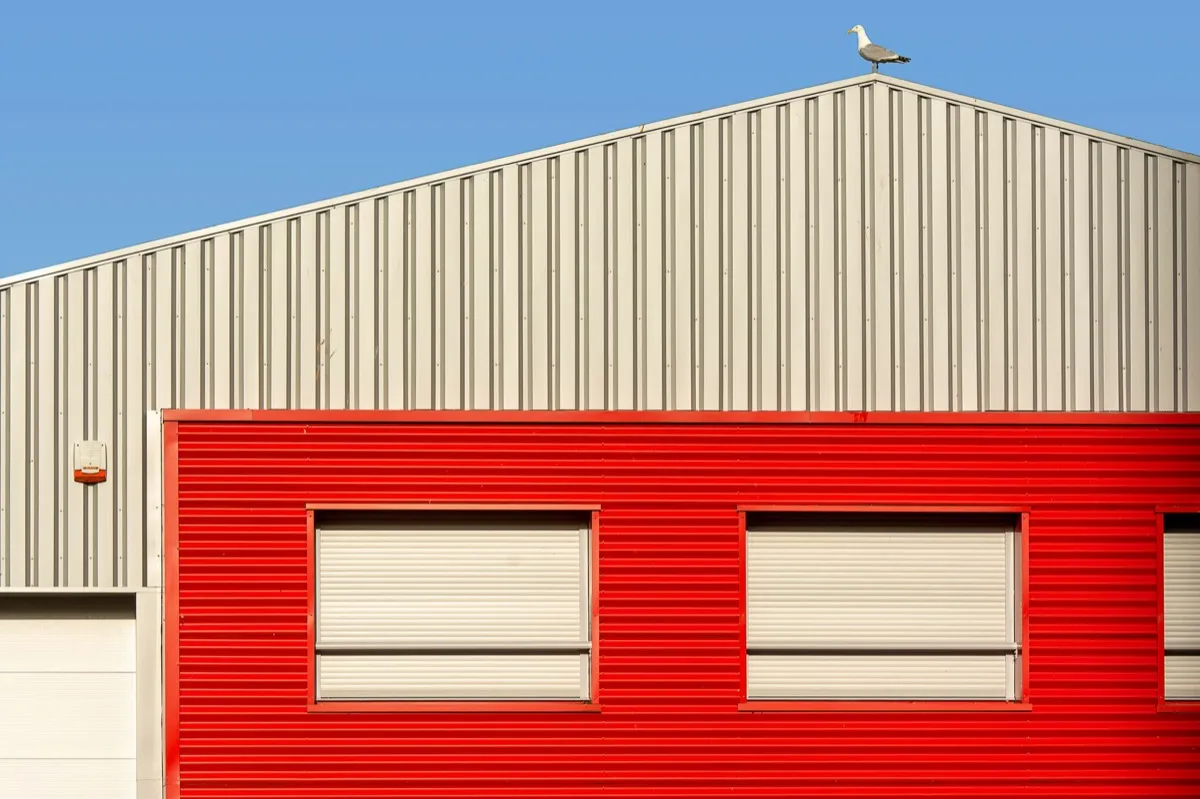
Commercial systems carry their own approval categories, tested as complete assemblies from deck to surfacing, and the uplift number applies to the whole build-up rather than the membrane alone. Change the insulation or the fastening pattern and you have changed the approval.
Insurance Claim Help
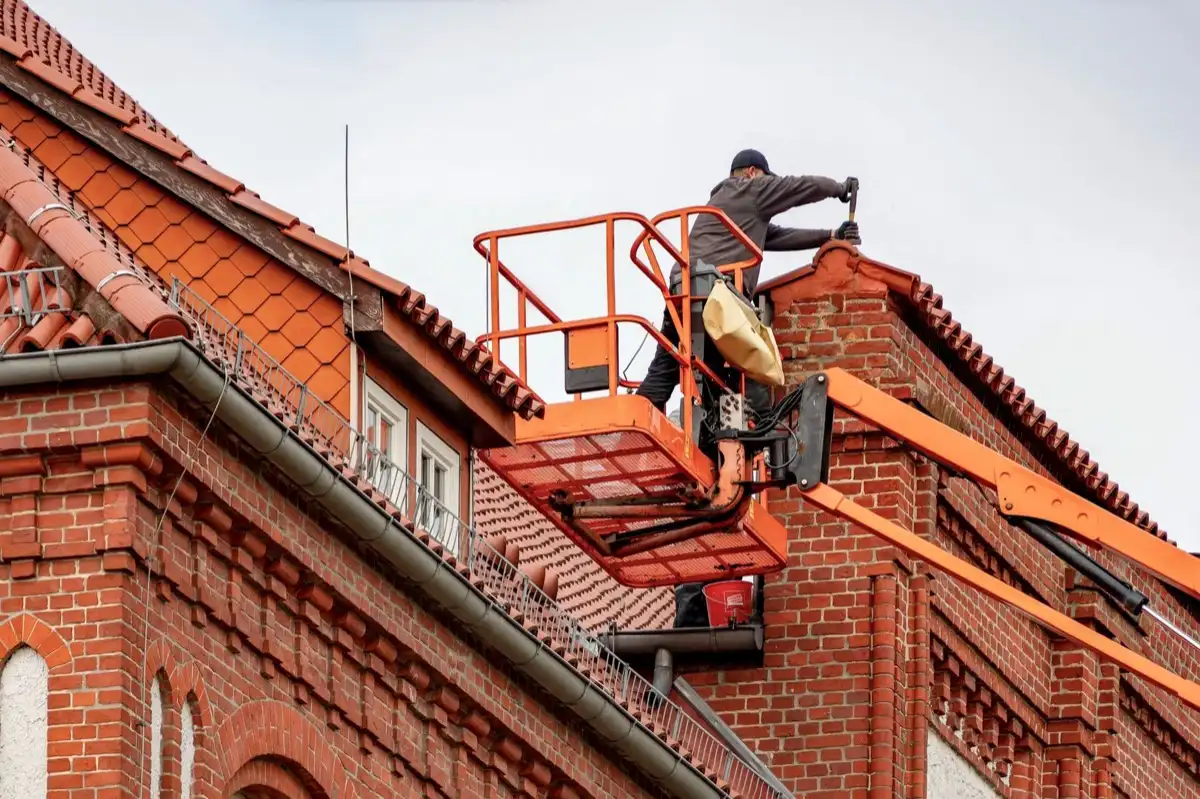
We hold a roofing credential, not a public adjuster credential, and Florida deliberately keeps the two apart. Our part is documenting a roof accurately and then building whatever gets approved.
Port St. Lucie is a young city with a lot of roofs reaching the same point at once. Census figures put roughly a third of its housing on the ground between 2000 and 2009, nearly all of it single-family and detached, and almost all of it built to whatever the code allowed at the lowest cost the builder could buy.
That is not a criticism of the houses. It is a description of what we open up every week: sound framing and sound decks under coverings and accessories that were the minimum permitted spec twenty years ago. The interesting question on a Port St. Lucie roof is rarely whether it is old. It is which of the original choices runs out first.
So we quote differently. Every layer we propose is named with its statewide Florida Product Approval number, because St. Lucie County sits outside the High Velocity Hurricane Zone and that statewide listing, not a Miami-Dade acceptance, is what governs here. The listing is public. You can read the tested pressure and the installation instructions before you sign anything.
What Port St. Lucie Customers Say
They pulled our permit record before quoting and found the original roof was listed over felt, not the peel-and-stick the last company claimed. That one detail changed what we bought. The quote had a number next to every product so I could look it all up.
Called about hail after the spring storms. They spent an hour up there and told me it was granule wash below the valleys, not hail. Said a claim on it would most likely come back denied and then sit on my record. Cost me nothing and saved me a headache.
Tile roof, twenty-two years old, three other companies quoted full replacement. These guys checked whether our profile was still made, said the salvage rate looked good, and relaid it over new underlayment for noticeably less. Photographs of everything underneath.
Wanted a coating over our shingles because a door-knocker sold my wife on it. They flat refused and explained why in writing, then quoted a boot and flashing repair instead. Second summer now with no ceiling stain.
Why Port St. Lucie Chooses Port St. Lucie Roof Pros
- ✓Every layer in the quote carries its statewide FL approval number, so you can read the tested design pressure and the installation instructions before you sign rather than after.
- ✓We pull your parcel's permit history before we quote, because the covering, the assembly and the closing date are already on record and guessing at them helps nobody.
- ✓We argue homeowners down as often as up. Mid-tier shingle with a better underlayment beats a premium shingle over felt, and we will show you the two listings side by side.
- ✓Work we decline: coatings sold as a replacement for shingle or tile, hail claims on roofs with no hail damage, and replacements on roofs with five good years left.
- ✓Deck replacement is a written unit rate against a stated allowance, so what we find after tear-off is priced at a number agreed in advance rather than negotiated mid-job.
- ✓Perimeter first. Hemmed edge metal, a real starter strip and the approval's own fastener spacing, because wind failures on these roofs begin at the rake and the eave.
About Port St. Lucie Roof Pros in Port St. Lucie, FL
We are a roofing company working Port St. Lucie and the wider St. Lucie County market, plus Martin, Indian River and Okeechobee counties when the scheduling makes sense. The work is roof replacement, leak repair, storm damage, tile, metal and the low-slope sections that Florida houses grow onto themselves. Certified under Chapter 489, permits pulled in our own credential number, no subcontracted sales team.
The thing that shapes how we quote is that Florida publishes the rules and almost nobody reads them to a homeowner. Every roofing product legal to install here has a statewide approval listing with a number, a tested pressure and an installation instruction, and all of it is public. We put those numbers in the proposal because a quote you can verify is a different kind of document from a quote you have to trust.
Where we are the wrong call. Ask us to coat a shingle or tile roof in place of replacing it and we decline, because no coating holds an approval as a covering over either one. If you want a hail claim filed on a roof we cannot find hail damage on, we will not write the report.
And where a covering still has five good seasons or better in it, we say so and price the repair, which means the bigger job goes elsewhere. Those are the three calls we turn down most often and we would rather say so here than on your driveway.
How It Works
- 1
We read the permit file first
Before anyone climbs a ladder we pull your parcel's roofing permit history from the city or the county, whichever holds it. It tells us the covering, the assembly listed on the approval sheet, whether the deck nailing inspection passed and the year the permit closed. Starting from the record beats starting from a guess.
- 2
Inspection on the roof, by hand
We work slope by slope with a compass reference, check seal bond by hand rather than by eye, photograph every penetration individually and probe the deck from the attic where there is access. Aerial imagery cannot tell a lifted shingle from a shadow, and a soft deck over a finished ceiling is invisible from above.
- 3
Two numbers and the approval sheet
You get two prices, one to repair and one to replace, each carrying the service life we believe it buys, plus the FL approval number for every component we propose. Deck replacement is a written unit rate against a stated allowance, so what turns up after tear-off is priced at a figure you already agreed to.
- 4
Permit, build, photograph, close
We pull the permit in our own credential number, build the assembly we listed, photograph the flashings and transitions before anything covers them, and hand over the closed permit with the approval sheet and the labor warranty. Nothing is left for you to discover later.
Commercial and multi-tenant roofing across St. Lucie and Martin counties
Commercial systems are approved as complete assemblies, deck to surfacing, and the tested uplift applies to the whole build-up rather than the membrane on its own. That is where cheap bids go wrong here: fewer fasteners per board, a thinner cover board or an adhered field where the listing assumed mechanical attachment at the perimeter.
It passes a look and it does not hold the corner. We survey with core cuts, scan for moisture where the deck history is unclear, and put the assembly and its approval number in writing before anybody prices it.
- ✓Roof condition surveys with core cuts, photographs tied to numbered roof areas and a five-year capital figure
- ✓Low-slope membrane replacement in self-adhered modified bitumen or mechanically attached single-ply
- ✓Re-cover eligibility assessed honestly, including how many layers are already on the deck
- ✓Standing seam and structural metal for light industrial along the Southern Grove and Tradition corridors
- ✓Perimeter and corner attachment built to the listing rather than to the field spacing
- ✓Rooftop equipment curbs, pitch pans and penetration details rebuilt rather than sealed
- ✓Tenant sequencing agreed in writing before the first pallet arrives, including odor, noise and parking
- ✓Scheduled maintenance visits with a written findings report whether or not repairs follow
Service Areas
Port St. Lucie Roof Pros serves Port St. Lucie, FL and surrounding communities including:
Recent Projects Across St. Lucie County
Full gallery →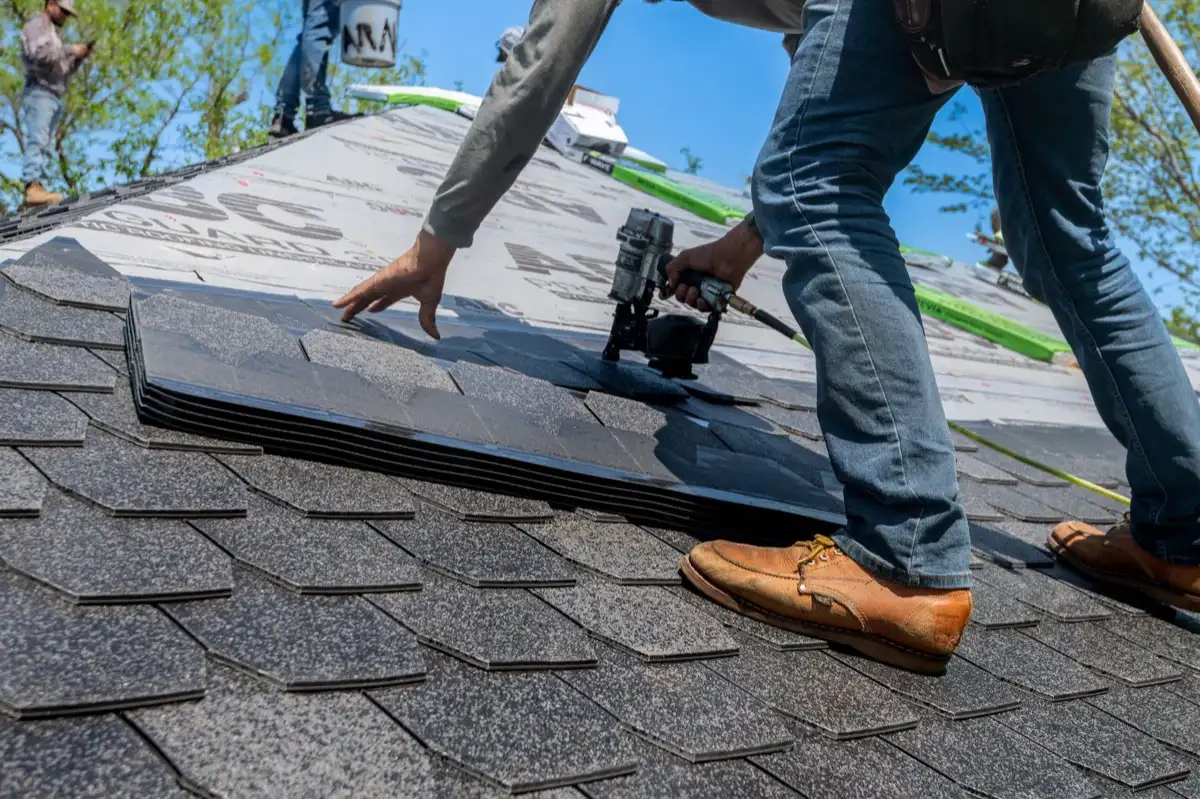
Frequently Asked Questions
Does Florida license roofing contractors, and how do I check?
Yes. Roofing is licensed statewide under Chapter 489, Part I, Florida Statutes, through the Construction Industry Licensing Board at the Department of Business and Professional Regulation. A certified roofing contractor holds a CCC credential and may work anywhere in the state; a registered contractor is limited to the jurisdiction that examined him. Both are searchable by number on the DBPR public license lookup, and the number belongs on the permit application for your job.
What is a Florida Product Approval and why does it matter on my roof?
It is the statewide listing that lets a roofing product be sold and installed in Florida. Each one carries an FL number, the design pressure the product was tested to, the decks and slopes it was tested over, and the installation instructions the manufacturer is bound to.
The approval covers an assembly, not a loose product, so substituting one component can put the whole roof outside what was tested. We put the numbers in the proposal so you can check them.
Is Port St. Lucie in the High Velocity Hurricane Zone?
No. The High Velocity Hurricane Zone as defined in the Florida Building Code covers Miami-Dade and Broward counties only. St. Lucie County is outside it, so nobody here will hand you a Miami-Dade Notice of Acceptance, and the statewide product approval is the governing document instead. That does not make our wind requirements light; it means the paperwork you should be asking for is different from what you may have seen down south.
Who pulls the permit for a re-roof, and can I pull it myself?
We pull it, in our own credential number, and that is how it should work. A contractor who asks the homeowner to pull the permit is moving the liability onto you. Florida does allow an owner-builder permit under section 489.103, but it must be applied for in person by the owner, it makes you responsible for the work and the inspections, and it is a poor trade for saving a few hundred dollars on a roof.
My neighbor is getting a new roof. Does that mean I need one?
Probably not. Port St. Lucie filled in lot by lot over sixty years, so two houses on the same street can be a decade or more apart in build date and a full code edition apart in what was required. Your roof's date comes from your parcel's permit record, not from the street. We will pull it and tell you what your own roof actually has left, free, and we will say so if the answer is years.
How long should a roof actually last in Port St. Lucie?
Less than the wrapper says. A dark asphalt roof on a one-story house here, with little canopy over it and eight hot months a year, realistically runs in the high teens to low twenties regardless of whether it was sold as a thirty or fifty year shingle. Concrete tile is different: the tile itself will outlast the underlayment beneath it by decades, which is why tile decisions turn on what is under the covering rather than the covering itself.